

Suites, permits & entrances
How to get pet smells out of your rental unit.
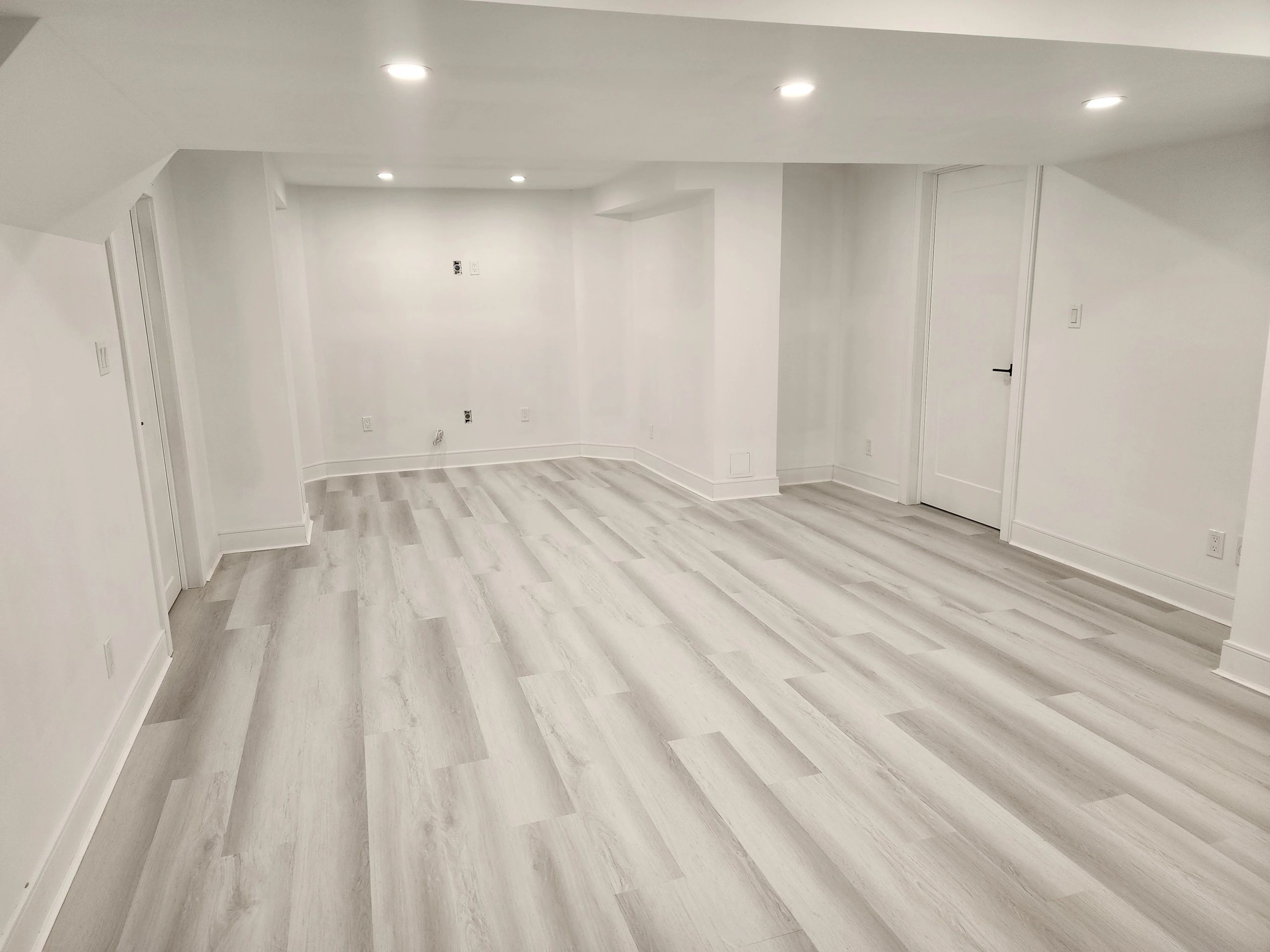
Pet odors can be stubborn, especially in rentals where smells seep into soft surfaces and even walls. The trick is to remove the source of the odor—not just cover it up.
Start with a deep clean of everything fabric-based. Carpets, rugs, curtains, and upholstery hold onto smells the most. If possible, shampoo carpets with an enzyme-based cleaner (these break down the proteins in pet urine and dander). Regular cleaners won’t fully remove the odor. Wash any removable fabrics with hot water and add a cup of white vinegar to neutralize smells.
Next, tackle hard surfaces. Floors, baseboards, and walls can absorb odors over time. Use a mixture of warm water and mild detergent, and for problem spots, follow up with a vinegar solution. If the smell is really embedded in walls, you may need to repaint using an odor-blocking primer—this is often what landlords do between tenants.
Air quality matters too. Open windows regularly to ventilate, and consider using baking soda in bowls around the unit to absorb lingering odors. An air purifier with a HEPA + activated carbon filter can also help remove odor particles from the air.
If the smell is from pet accidents, you need to find and treat those exact spots. A UV (blacklight) can help locate old urine stains. Once found, soak the area with an enzyme cleaner and let it sit long enough to break down the odor compounds before blotting.
Avoid relying on air fresheners alone—they just mask the smell temporarily and can mix badly with pet odors.
If the odor is still strong after all this, it might be embedded in subflooring or HVAC systems, which usually requires professional cleaning or landlord involvement.
If you want, tell me what kind of pet smell you’re dealing with (urine, general dog smell, litter box, etc.), and I can give more targeted steps.