
Suites, permits & entrances
Legal basement vs legal basement suite
Good question — people often use these terms interchangeably, but they mean different things (especially in places like Ontario where rules are strict).
🏠 Legal Basement
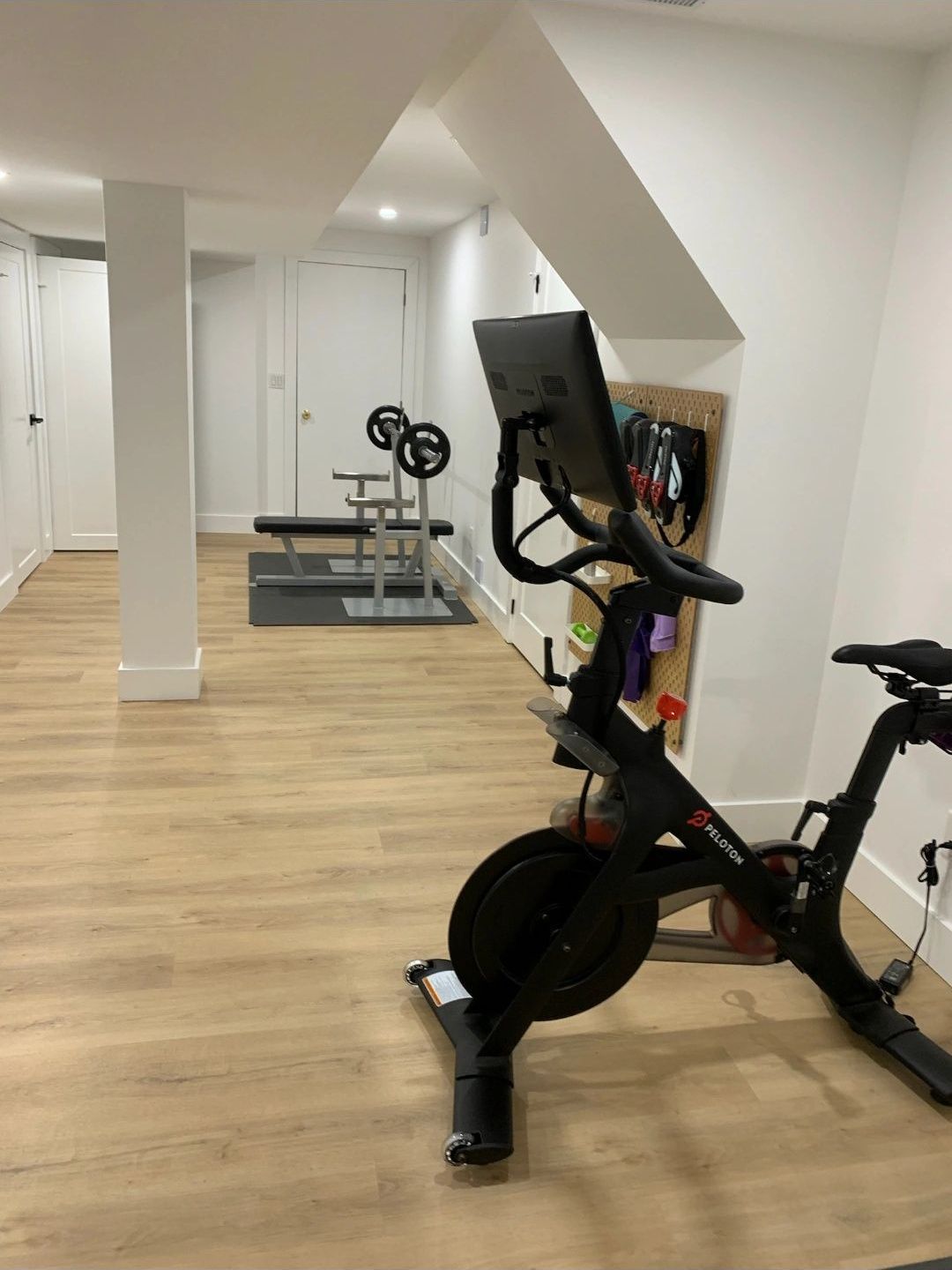
A legal basement simply means the basement space itself complies with building and safety codes. It can be used as part of the main home.
Key points:
Meets fire, building, and electrical codes
Has proper ceiling height, ventilation, and exits (egress windows)
Not necessarily a separate unit
Typically used by the homeowner or family (not rented separately)
👉 Think: “Safe and up to code space”
🏡 Legal Basement Suite (Secondary Suite)
A legal basement suite (also called a secondary unit) is a self-contained dwelling within the home that is legally allowed to be rented out.
Key requirements:
Separate entrance
Kitchen, bathroom, and sleeping area
Fire separation between units
Independent heating/ventilation (in many cases)
Proper zoning approval from your municipality (like in Toronto)
Registered or permitted as a rental unit
👉 Think: “A basement apartment you can legally rent out”
🔑 The Core Difference
Legal basement = safe living space within a single household
Legal basement suite = a separate, rentable apartment that meets additional legal and zoning rules
⚠️ Why it matters
If you rent out a basement that’s not a legal suite:
You could face fines
Insurance may not cover issues
Tenants could be at risk (fire safety especially)