
Suites, permits & entrances
Plastic Under Basement Sill Plates: Why the Moisture Barrier Matters
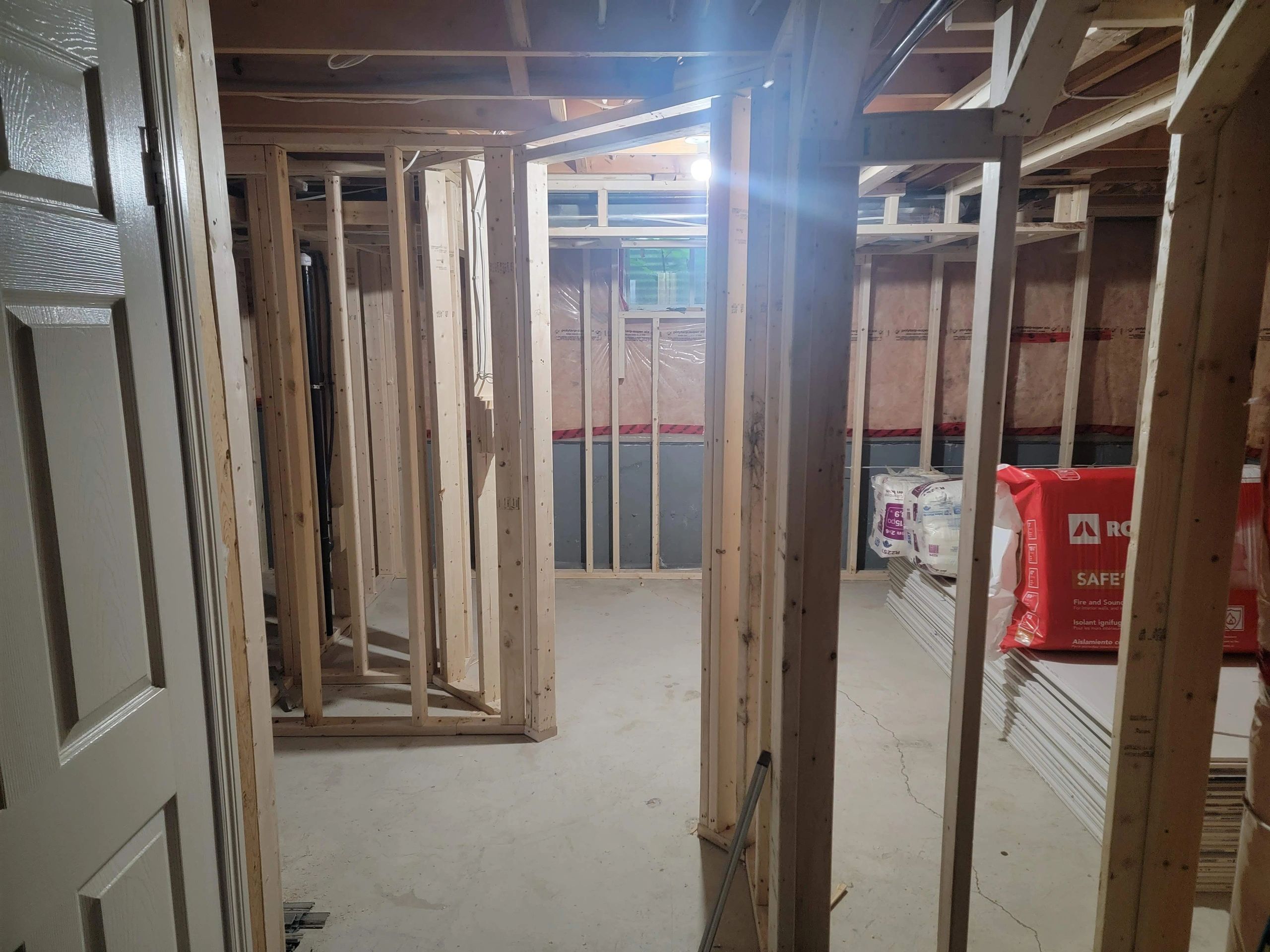
Putting plastic underneath wood plates (also called sill plates) in a basement or on a concrete slab serves an important purpose: it keeps moisture in the concrete from getting into the wood.
Why the plastic is there: a moisture barrier
Concrete is porous and can absorb moisture from the ground. Over time, that moisture can transfer into the wood, leading to:
- Rot and decay of the wood.
- Mold growth, which can affect indoor air quality.
- Structural damage if the sill plate deteriorates.
What kind of plastic is used?
Typically, 6-mil polyethylene sheeting is used as a vapour barrier. It's placed between the concrete and the wood to prevent direct contact and block moisture.
Code and best practice
In many areas, building codes require a moisture barrier, or that pressure-treated wood be used, for sill plates in contact with concrete. Requirements depend on the building and the location, so confirm them with your designer or your local building department before framing.
Frequently asked questions
Why put plastic under a sill plate in a basement?
Concrete is porous and can absorb moisture from the ground. Plastic between the concrete and the wood plate blocks that moisture, which helps prevent rot, mold growth and structural damage to the plate.
What kind of plastic goes under a basement sill plate?
Typically 6-mil polyethylene sheeting, placed between the concrete and the wood so they are not in direct contact.
Is a moisture barrier under the sill plate required?
In many areas, building codes require a moisture barrier, or pressure-treated wood, for sill plates in contact with concrete. Confirm the requirement for your project with your local building department.
Related
Framing basement walls is one of the first steps in basement finishing and remodeling in Barrie. If the slab or walls are already damp, deal with that first: see basement waterproofing in Barrie.
This article is general information, not a code determination for your project. Building code requirements depend on the building and the location. Confirm current requirements with your local building department before construction.