

Windows, plumbing & mechanical
Types of E-egress windows
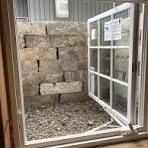
1. Casement Windows
Hinged on one side and open outward like a door (using a crank).
Best for egress compliance because they open fully.
Good for smaller wall spaces since the entire frame can be used for escape.
2. Sliding (Horizontal) Windows
One pane slides horizontally past the other.
Only half the window typically opens, so they need to be wider to meet code.
Common in basements but not always the most space-efficient for egress.
3. Single-Hung Windows
Bottom sash slides upward; top sash is fixed.
Only the bottom half opens.
Must be taller to meet egress size requirements.
4. Double-Hung Windows
Both top and bottom sashes can move.
Offers flexibility, but usually only one half is open at a time.
Like single-hung, they need extra height to qualify.
5. Awning Windows
Hinged at the top and open outward.
Not ideal for egress because the open sash can block escape.
Rarely used where egress is required.
6. In-Swing Windows
Open inward into the room.
Less common, but useful in tight exterior spaces (like window wells).
Must not obstruct interior space when open.
7. Basement Hopper Windows
Hinged at the bottom and tilt inward.
Typically not suitable for egress unless specifically designed to meet size and clearance rules.
Important Code Notes (Canada / Ontario context)
While specifics vary, typical requirements include:
Minimum clear opening area: ~0.35 m² (3.77 ft²)
Minimum height and width: ~380 mm (15 in)
Window must open without tools or keys
Basement windows often require a window well with enough clearance (usually ~760 mm / 30 in projection)
If you're planning an install, the “best” type is usually casement, especially for basements, because it meets code more easily without needing oversized dimensions.
If you want, tell me where you're installing it (basement bedroom, above-grade, etc.), and I can suggest exact sizes and styles that will pass code in your area.