

Insulation, fire & electrical
🔥 Fire-Rated Drywall: Type X vs. Type C
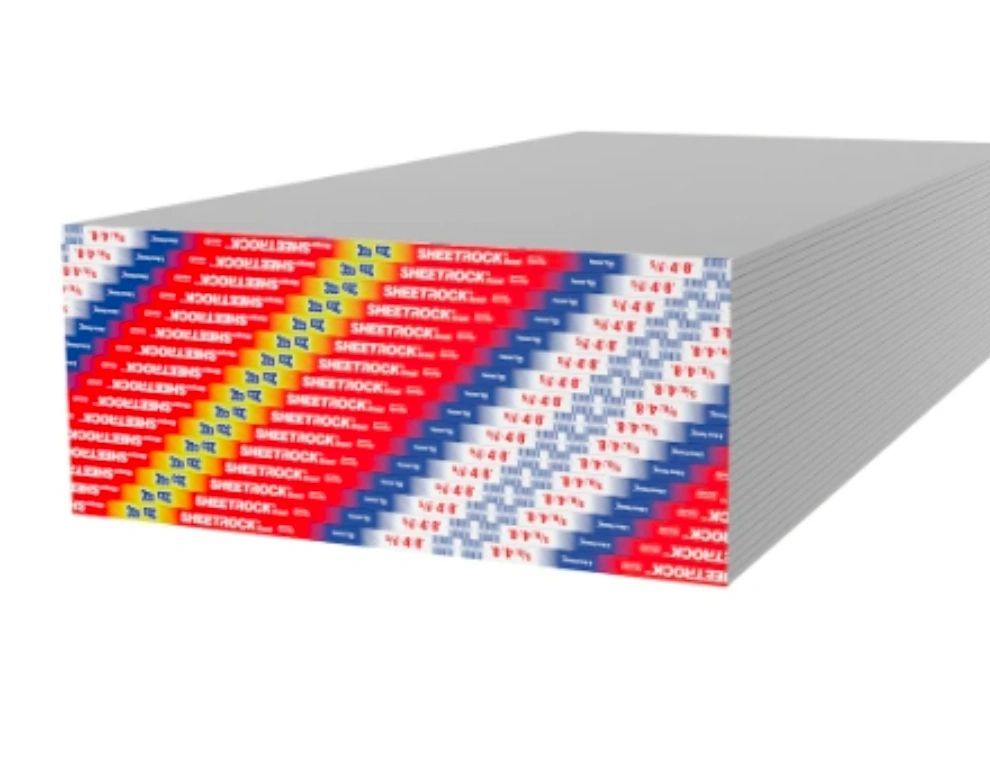
Type X Drywall.
What it is: The standard fire-resistant gypsum board most people are familiar with.
Key features:
Contains glass fibers mixed into the gypsum core
Typically 5/8 inch thick
Provides about 1-hour fire resistance when installed as part of a tested assembly
Common uses:
Garages (especially walls/ceilings adjoining living space)
Furnace rooms
Multi-family buildings
Fire-rated walls and ceilings required by code
Pros:
Widely available
Less expensive than Type C
Accepted by nearly all building codes
Type C Drywall
What it is: An enhanced fire-rated drywall, designed to perform better than Type X.
Key features:
More glass fibers than Type X
Includes vermiculite or similar additives that expand under heat
Improves core stability during a fire
Same typical thickness: 5/8 inch
Fire performance:
Can achieve longer fire ratings than Type X
Often used to meet 2-hour fire ratings or reduce the number of layers needed
Common uses:
Commercial buildings
Shafts, stairwells, corridors
High-rise construction
Anywhere stricter fire ratings are required
Pros:
Higher fire resistance
May allow thinner or fewer layers for the same rating
Cons:
More expensive
Not always stocked at big-box store