
Windows, plumbing & mechanical
Which Is Better for Your Home?
Which Is Better for Your Home?
When it comes to heating your home, comfort, cost, and efficiency all matter. Two common options—baseboard heaters and furnaces—work very differently but ultimately aim to keep you warm during those cold months. Whether you’re remodeling, building new, or simply looking to upgrade your system, understanding how these two compare can help you make the right choice.
🔥 What Is a Baseboard Heater?
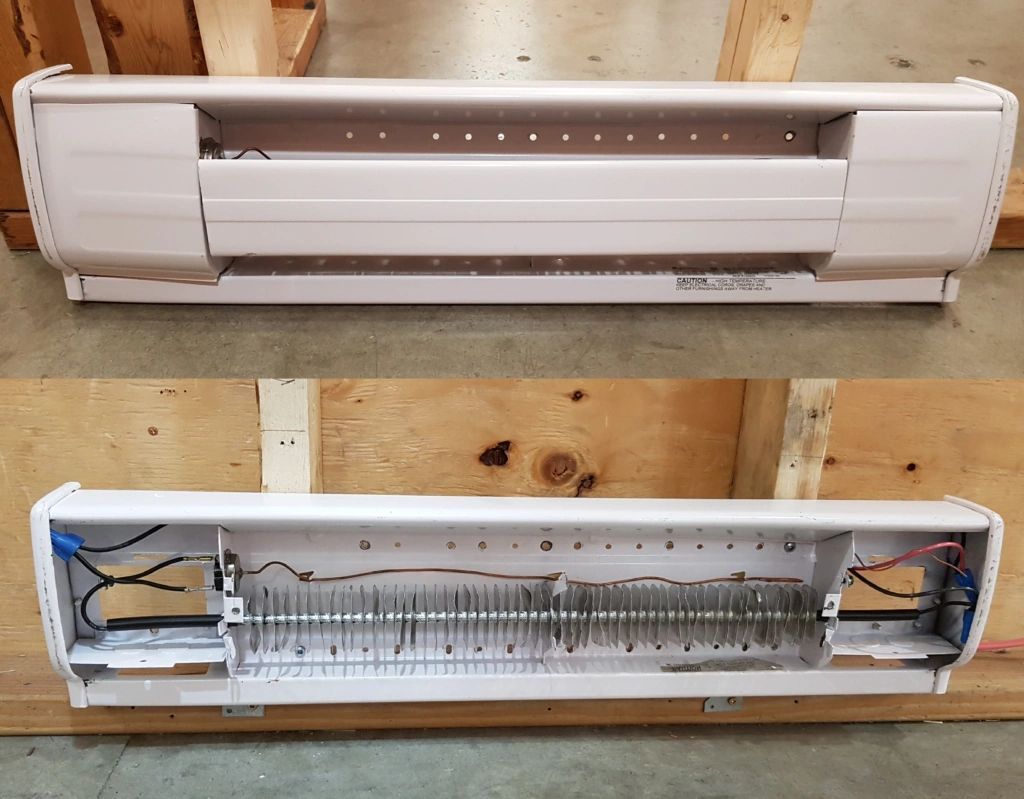
Baseboard heaters are electric or hydronic (water-based) units installed along the base of walls. They heat the room by convection—warming the air near the floor, which then rises and circulates.
Types of Baseboard Heaters
Electric Baseboard Heaters – Use electricity to heat metal fins inside the unit. They’re easy to install and perfect for zone heating.
Hydronic Baseboard Heaters – Use hot water heated by a boiler that circulates through the units. They offer more consistent heat and retain warmth longer.
Pros
Easy to install (especially electric versions)
Ideal for supplemental or zone heating
Quiet operation
No ductwork required
Cons
Can be expensive to run in areas with high electricity rates
Limited to heating individual rooms
Can restrict furniture placement
Slower to heat large spaces
🔥 What Is a Furnace?
A furnace is a central heating system that heats air and distributes it through ducts and vents. It can run on natural gas, propane, oil, or electricity and is controlled by a central thermostat.
How It Works
Air is drawn into the furnace, heated by a burner or electric element, and blown throughout the home using a blower motor and ductwork system.
Pros
Heats large areas quickly and evenly
Works with existing ductwork for air conditioning too
Energy-efficient models available (especially gas furnaces)
Long lifespan with proper maintenance
Cons
Higher upfront cost and installation complexity
Requires regular maintenance (filters, ducts, etc.)
Duct leaks can reduce efficiency
Noisy operation compared to baseboard systems
⚖️ Baseboard Heaters vs. Furnace: Head-to-Head Comparison
Feature Baseboard Heater Furnace Installation Cost Low (especially electric)High (requires ducts and professional setup)Operating Cost High in areas with expensive electricity Lower with natural gas Maintenance Minimal Regular (filters, tune-ups, ducts)Heating Speed Slow and localized Fast and whole-home Noise Level Very quiet Moderate (blower noise)Best For Small spaces, additions, or zone heating Whole-home heating
💡 Which Heating Option Is Right for You?
It depends on your home size, budget, and energy source:
Choose Baseboard Heaters If:
You need to heat a small space or addition
You want simple installation with no ducts
You prefer quiet operation and zone control
Choose a Furnace If:
You’re heating an entire home
You already have or want central air conditioning
You want fast, efficient heating with lower long-term costs
🏠 Final Thoughts
Both systems can provide reliable warmth—but they serve different needs. Baseboard heaters are simple, quiet, and great for small or supplemental spaces, while furnaces deliver powerful, whole-home comfort with greater efficiency in the long run.
If you’re unsure which option fits your home best, consult a licensed HVAC professional. They can assess your home’s layout, insulation, and energy costs to recommend the most cost-effective solution.