

Insulation, fire & electrical
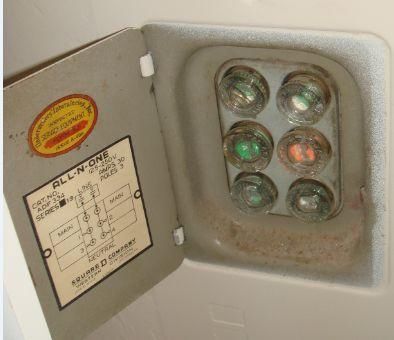
Breaker vs Fuse.
Fast and easy way to install a u-channel door frame with door or window . check grammar
“Fast and easy way to install a U-channel door frame with a door or window.”
Or, for a smoother marketing-style sentence:
“Fast and easy installation of a U-channel door frame with a door or window.”
fuse vs breakers
Fuses and breakers both protect electrical circuits, but they work differently.
Fuse
A fuse contains a thin metal strip that melts when too much current flows.
Once it blows, it must be replaced.
Usually cheaper and very fast at stopping power.
Common in older homes, cars, and electronics.
Circuit Breaker
A breaker trips off when overloaded or shorted.
It can usually be reset instead of replaced.
More convenient and common in modern electrical panels.
Easier for troubleshooting and safer for repeated use.
Main Difference
Fuse = replace it
Breaker = reset it
Which is better?
For modern homes and renovations, breakers are usually preferred.
Fuses can react slightly faster in some applications, but breakers are more practical and user-friendly.
breakers vs fuses
Breakers vs. Fuses
Circuit Breakers
Trips automatically when there’s an overload or short circuit
Can usually be reset and reused
Common in modern homes and commercial buildings
Easier for troubleshooting and maintenance
Higher upfront cost but more convenient long-term
Fuses
Uses a metal strip that melts when overloaded
Must be replaced after blowing
Often found in older homes, vehicles, and electronics
Usually cheaper than breakers
Can respond very quickly to electrical faults
Quick Comparison
Breaker trips
Fuse blows