
Insulation, fire & electrical
Electrical parts required in a Secondary suite for compliance.
If you are building a secondary suite (legal basement apartment), the electrical boxes and devices generally need to meet the requirements of the applicable electrical code (in Ontario, the Ontario Electrical Safety Code (OESC), based on the Canadian Electrical Code) and local inspection requirements.
Common electrical boxes required include:
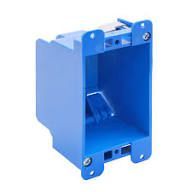
1. Device Boxes (switches and receptacles)
Single-gang or multi-gang boxes for:
Light switches
Receptacles (outlets)
Dimmers
Thermostats
Data/communication outlets
Boxes must be approved electrical boxes (not improvised or non-electrical enclosures).
Box size must be large enough for the number of wires and devices installed (box fill requirements).
2. Ceiling Boxes
Required for:
Light fixtures
Smoke/CO alarm connections (where applicable)
Ceiling fans (if installed)
Must be rated to support the weight of the fixture or fan.
3. Junction Boxes
Used where wiring connections are made.
Must remain accessible after finishing (no buried junction boxes behind drywall).
4. Specialty Boxes
Depending on the suite design:
Weatherproof boxes for exterior outlets or exterior lighting
Floor boxes if receptacles are installed in floors
Dedicated boxes for appliances such as:
Range hood
Dishwasher
Garbage disposal (if applicable)
Washer/dryer connections
Furnace/HRV equipment
5. Electrical Panel Requirements
A secondary suite usually requires:
A properly sized electrical panel
Clearly labelled circuits
Proper separation of suite circuits if there are separate dwelling units
Arc-fault protection (AFCI) on many residential circuits
GFCI protection where required (bathrooms, kitchens, exterior, etc.)
6. Low-Voltage Boxes
Often installed for:
Internet/data
Cable
Security systems
Doorbells
Smart-home devices
7. Fire Safety Related Electrical Requirements
A legal suite commonly requires:
Interconnected hardwired smoke alarms with battery backup
Carbon monoxide alarms where required
Proper placement according to building and fire code requirements
For Ontario basement secondary suites, the exact requirements depend on the municipality, age of the home, whether it is a new suite or retrofit, and whether the suite has a separate electrical service/panel.
If you are building legal suites professionally, I can also provide a secondary suite electrical checklist for Ontario contractors (rough-in through final inspection).