

Insulation, fire & electrical
Fuses vs. Circuit Breakers: What’s the Difference?
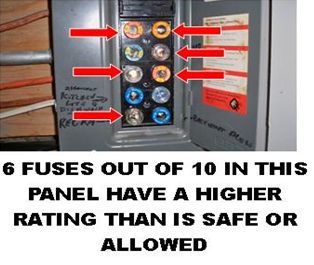
Both fuses and circuit breakers protect electrical circuits from overloads and short circuits—but they work differently and are used in different situations.
🔥 Fuses
A fuse contains a thin metal wire that melts (“blows”) when too much current flows through it.
How it works:
Excess current → metal wire heats up → melts → circuit opens.
Once blown, it must be replaced.
Pros:
Simple and inexpensive
Very fast response to short circuits
Reliable (no moving parts)
Cons:
Single-use (needs replacement)
Not as convenient
Easy to replace with wrong rating (safety risk)
Common Uses:
Automotive systems
Small appliances
Electronics
Older homes (e.g., screw-in plug fuses like those used historically in the U.S.)
⚡ Circuit Breakers
A circuit breaker is a mechanical switch that trips when current exceeds safe levels.
How it works:
Overload or short circuit → internal mechanism trips → circuit opens.
Can be reset by flipping the switch.
Pros:
Reusable (just reset)
Safer for home electrical systems
Easy to identify and restore power
Cons:
More expensive
Slightly slower than fuses in some cases
Mechanical parts can wear out
Common Uses:
Modern residential electrical panels
Commercial buildings
Industrial power systems
⚖️ Key Differences
Feature Fuse Circuit Breaker Reusable?❌ No✅ Yes Speed Very fast Fast Cost Low Higher Maintenance Replace after use Reset Best For Small devices Home & building wiring
🏠 Which Is Better?
For homes and buildings, circuit breakers are preferred because they’re safer and reusable.
For small electronics or cars, fuses are common due to simplicity and fast response.
If you’d like, I can also explain how to choose the right fuse or breaker rating for a specific application.