
Windows, plumbing & mechanical
Pex vs copper plumbing!!
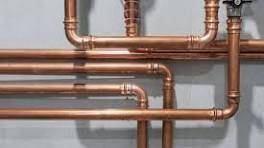
Choosing between PEX and copper plumbing for your basement comes down to cost, durability, ease of installation, and how you plan to use the space. Here’s a clear breakdown to help you decide:
🧰 PEX (Cross-Linked Polyethylene)
✅ Pros
Cheaper: Material and labor costs are significantly lower than copper
Easy to install: Flexible tubing → fewer joints, no soldering
Freeze-resistant: Expands slightly if water freezes (less likely to burst)
Corrosion-proof: Not affected by acidic or mineral-heavy water
Quiet: Less noise from water flow (“water hammer”)
❌ Cons
Not UV-resistant: Can’t be exposed to sunlight for long
Perception: Some people still trust copper more for long-term value
Rodent risk: Rare, but rodents can chew it
🔩 Copper Pipes
✅ Pros
Extremely durable: Can last 50+ years
Heat-resistant: Ideal near boilers or hot water systems
Trusted material: Long-standing reputation
Recyclable: More environmentally friendly
❌ Cons
Expensive: Both materials and labor cost more
Harder to install: Requires soldering and precise fittings
Can corrode: Especially in areas with acidic water
Freezing risk: More likely to burst than PEX
🏠 What’s Best for a Basement?
For most modern basement projects:
PEX is usually the better choice if:
You’re finishing or renovating the basement
You want lower cost and faster installation
You’re concerned about freezing pipes
Copper makes sense if:
You’re connecting close to a boiler or water heater
You want maximum longevity and don’t mind the cost
Your existing plumbing is already copper and you want consistency
💡 Common Hybrid Approach
A lot of homeowners use:
Copper near the main water heater, then
PEX for distribution throughout the basement
This gives you durability where it matters and savings everywhere else.
⚖️ Bottom Line
Best value & practicality → PEX
Best long-term durability & tradition → Copper
If you want, tell me what you’re planning (bathroom, laundry, full basement finish, etc.), and I can recommend a more precise setup.