
Floors, stairs & finishes
The benefits of installing sub-floor in your basement.
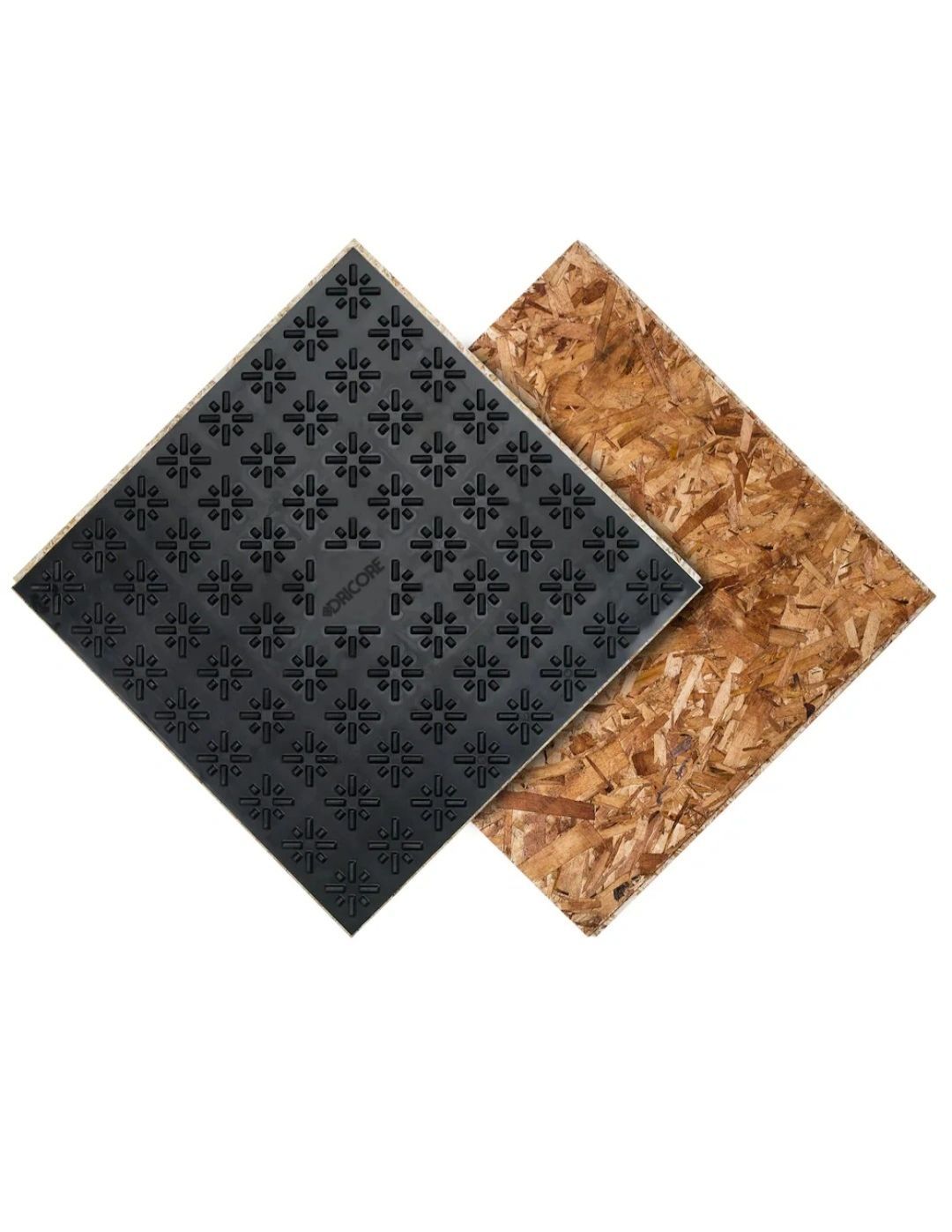
Benefits of a Subfloor in a Basement -
Moisture Protection: Keeps your finished flooring (carpet, laminate, vinyl, hardwood) raised off the cold, sometimes damp concrete. This reduces the risk of mold and mildew.
Warmth & Comfort: Adds insulation, so the floor feels warmer underfoot—especially important in basements that naturally feel cooler.
Level Surface: Helps smooth out uneven concrete, making installation of flooring easier and longer-lasting.
Noise Reduction: Provides a buffer that dampens sound transmission between floors.
Increases Flooring Options: With a proper subfloor, you can safely install carpet, engineered hardwood, or laminate without worrying as much about moisture damage.
Things to Consider-
Cost: Subfloor panels (like DriCore, Barricade, or plywood with sleepers) add extra cost to your renovation.
Ceiling Height: A subfloor adds 1–2 inches of thickness, which can affect ceiling height, especially if you’re close to the minimum code requirement for a basement suite.
Moisture Issues: If your basement has water infiltration problems, a subfloor won’t fix that—it’s better to solve drainage, grading, or waterproofing first.
Best Choice-
If your basement is dry, waterproofed, and you’re finishing it for living space, a subfloor is a smart investment for comfort and durability.If it’s just for storage or utility use, you can usually skip it.Do you want me to break down the different types of basement subfloor systems (like DriCore vs. plywood vs. sleepers) so you can see which is best for your situation?