

Floors, stairs & finishes
Why you shouldn't put carpet on stairs.
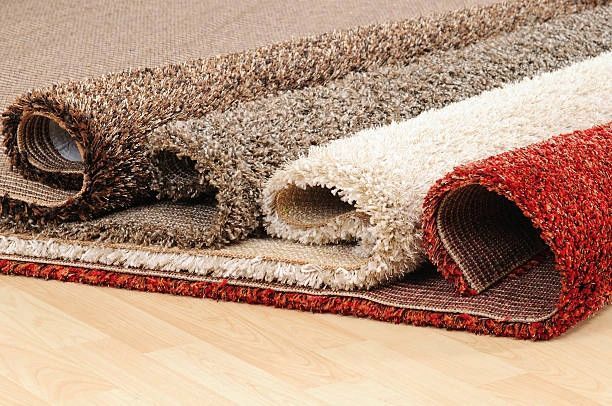
Putting carpet on stairs isn’t always a bad idea, but there are several solid reasons people avoid it—mostly around safety, maintenance, and durability.
First, traction can be misleading. Carpet feels softer and safer, but on stairs it can actually reduce grip—especially if it’s worn, loose, or low-quality. Slipping on carpeted stairs is a common cause of falls because your foot doesn’t get the same firm contact as it would on a solid surface like wood.
Second, wear and tear happens fast. Stairs get concentrated foot traffic in the exact same spots (the tread edges). Carpet tends to flatten, fray, or loosen there much quicker than it would on a flat floor. Once it starts to wear out, it can even become a tripping hazard.
Third, it traps dirt and allergens. Unlike hard surfaces, carpet holds onto dust, pet hair, and debris. On stairs—where cleaning is already awkward—this buildup can be harder to manage and may affect air quality.
Fourth, it can hide structural issues. Carpet can conceal loose steps, cracks, or damage underneath. With exposed wood or another hard surface, you’re more likely to notice and fix problems early.
Finally, installation matters a lot. Poorly installed carpet (loose edges, uneven padding, bad anchoring) is one of the biggest risks—it can bunch up or shift underfoot.
That said, some people still choose carpet for stairs because it reduces noise and feels softer underfoot. A compromise many go with is a stair runner (a strip of carpet down the middle), which keeps some grip and comfort while leaving the edges visible and easier to maintain.
If you’re considering it, the key is high-quality material and professional installation—otherwise, the downsides tend to outweigh the benefits.