

Floors, stairs & finishes
Why should you not put laminate flooring in your basement.
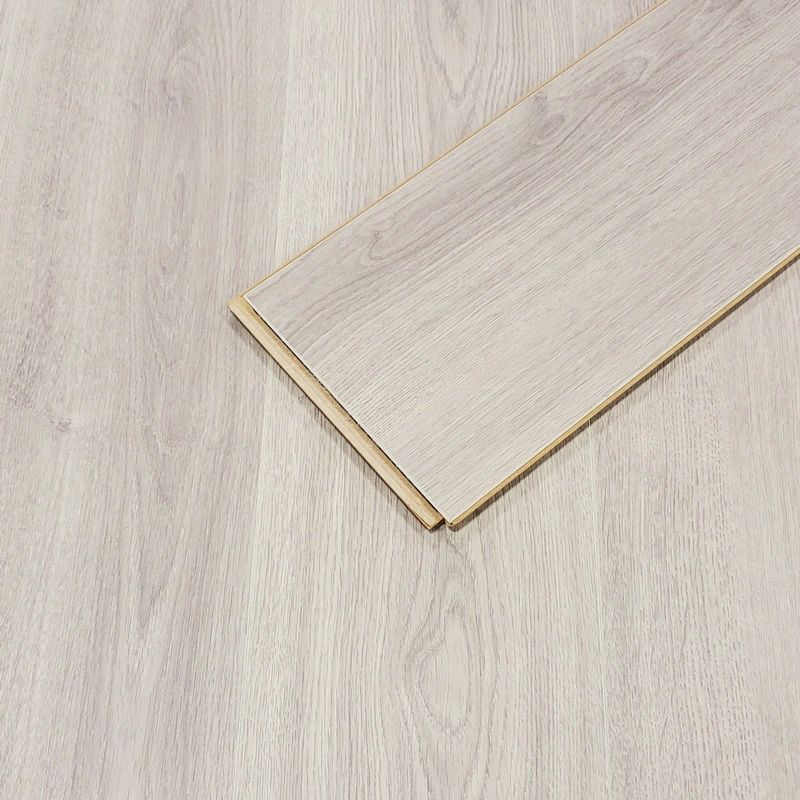
You generally should not install laminate flooring in a basement because of moisture and humidity issues. Here’s why:
🚫 1. Laminate is highly sensitive to moisture
Laminate flooring is made of layers of compressed fiberboard with a decorative top layer.
Even though it looks like wood, the core is not waterproof.
In basements, moisture can seep up through the concrete slab or humidity can condense under the floor, causing the boards to warp, swell, or delaminate.
🌧️ 2. Basements are naturally damp
Basements tend to have:
Higher humidity levels year-round.
Occasional leaks or condensation, especially near walls or windows. Even a small amount of water can ruin laminate — unlike vinyl or tile, which can tolerate it.
🧰 3. Waterproofing subfloors doesn’t fully solve the risk
Some people try to use vapor barriers or underlayment to “waterproof” the space, but:
These can only reduce moisture migration, not stop it entirely.
Any plumbing leak, flood, or condensation event can still destroy the laminate.
💸 4. Repairs are costly and difficult
If moisture gets under laminate:
You usually have to tear out and replace the entire floor, since the boards lock together.
Mold can also grow beneath the planks, creating a health hazard.
✅ Better alternatives for basements
If you want the look of wood but need something basement-friendly, consider:
Luxury vinyl plank (LVP) or vinyl tile (LVT) — waterproof and durable.
Ceramic or porcelain tile — unaffected by moisture.
Engineered wood (with a plywood core) — slightly better than laminate, though still not ideal in very damp basements.
Epoxy-coated concrete — modern, water-resistant, and customizable.
In short: Laminate flooring and basements don’t mix well because of moisture vulnerability. If you want a similar look without the risk, go for waterproof vinyl or tile.
Would you like me to help you compare vinyl plank vs engineered wood for basement use?