Floors, stairs & finishes
Different types of subflooring.
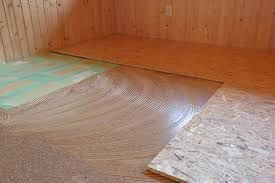
🔹 1. Dimpled Plastic Subfloor Systems
Examples: DMX, Delta-FL What it is: A plastic membrane with raised dimples that create an air gap between concrete and your floor.
Pros:
Excellent moisture protection (lets air circulate underneath)
Thin profile (good if ceiling height is limited)
Easy DIY install
Cons:
Not very insulating by itself
Slightly “hollow” feel unless topped with rigid material (like plywood)
Best for: Basements with minor moisture concerns
🔹 2. Rigid Foam + Plywood (Built-Up Subfloor)
What it is: Layers of rigid foam insulation (like XPS or EPS) topped with plywood or OSB.
Pros:
Great insulation (warmer floors)
Customizable thickness
Affordable materials
Cons:
More labor-intensive
Needs careful sealing to avoid moisture issues
Best for: Cold basements where warmth is a priority
🔹 3. Panel Systems (All-in-One Subfloor Panels)
Examples: DRICORE, Barricade What it is: Interlocking panels with OSB on top and a moisture barrier underneath.
Pros:
Very DIY-friendly (snap together)
Built-in moisture protection + structure
Adds some insulation
Cons:
More expensive than raw materials
Raises floor height (~3/4" to 1")
Best for: Quick installs and finished basements
🔹 4. Pressure-Treated Sleepers + Plywood
What it is: Wood “sleepers” (strips) laid on the slab, sometimes with insulation in between, then covered with plywood.
Pros:
Strong and level base
Can accommodate insulation between sleepers
Cons:
Risk of moisture damage if not done properly
More complex installation
Best for: Uneven floors or when you need to level significantly
🔹 5. Floating Engineered Subfloor (Minimal System)
What it is: Underlayment (foam or vapor barrier) directly under floating flooring like laminate or engineered hardwood.
Pros:
Cheapest and simplest
Very low height
Cons:
Minimal insulation
Limited moisture protection
Best for: Dry basements with low risk of dampness
🔹 6. Concrete Coatings (No Subfloor)
Examples: Epoxy, polished concrete
Pros:
No risk of trapped moisture
Durable and modern look
Lowest cost option
Cons:
Cold and hard underfoot
No insulation
Best for: Utility spaces, gyms, or modern industrial finishes
🧠 Quick Recommendation Guide
Damp basement? → Dimple membrane or panel system
Cold floors? → Foam + plywood system
DIY + convenience? → Panel systems like DRICORE
Tight ceiling height? → Dimple membrane
Budget option? → Basic underlayment or sealed concrete