Insulation, fire & electrical
Safe'n'sound and Pink fiberglass insulation.
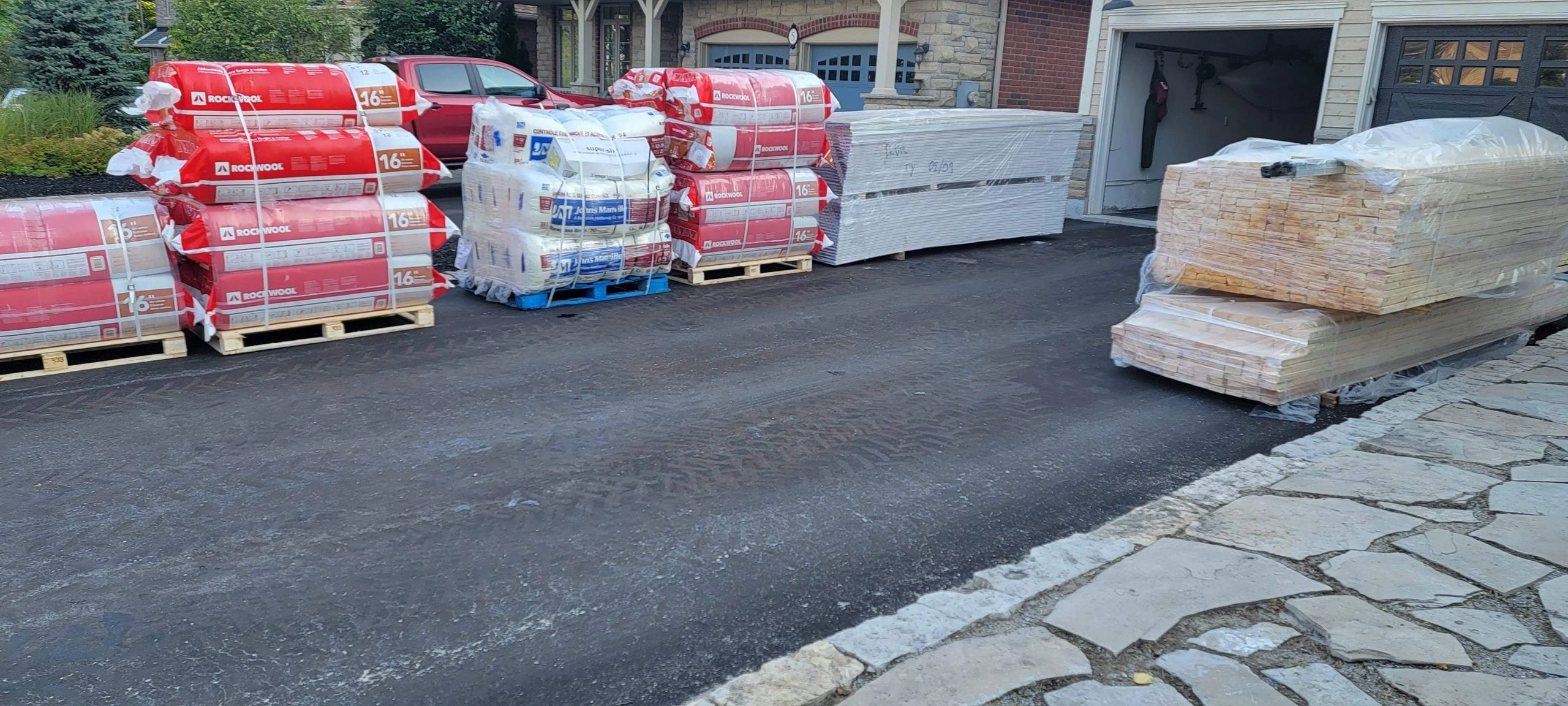
Safe'n'Sound (ROCKWOOL)Pink Fiberglass Designed for soundproofing Designed for thermal insulation Made from stone wool Made from fiberglass Excellent at reducing noise Moderate noise reduction Naturally fire-resistant (non-combustible)Fire-resistant, but will melt at high temperatures Water-resistant and doesn't readily support mold growth Can trap moisture if it gets wet Denser and heavier Lighter and easier to cut
Which should you use?
Basement suites and interior walls: Safe'n'Sound is the better choice. It significantly reduces noise between rooms and between the basement suite and the main floor.
Exterior walls: Pink fiberglass (or another insulation that meets the required R-value) is commonly used because its primary purpose is keeping heat in and cold out.
Ceilings between units: Safe'n'Sound combined with resilient channel and Type X drywall provides much better sound control than fiberglass alone.
If you're building a legal secondary suite
A common assembly is:
ROCKWOOL Safe'n'Sound in the joist cavities
Resilient channel
5/8-inch Type X drywall (one or more layers, depending on the required fire rating)
This combination helps reduce airborne noise (voices, TV, music) while also contributing to the required fire separation where applicable.
For contractors, the short version is:
Pink insulation keeps the heat in. Safe'n'Sound keeps the noise out. If you're building a legal basement suite, Safe'n'Sound is typically the better choice for interior walls and ceilings where sound control matters.
Voice chat ended15s