

Insulation, fire & electrical
The biggest differences between steel studs and wood studs.
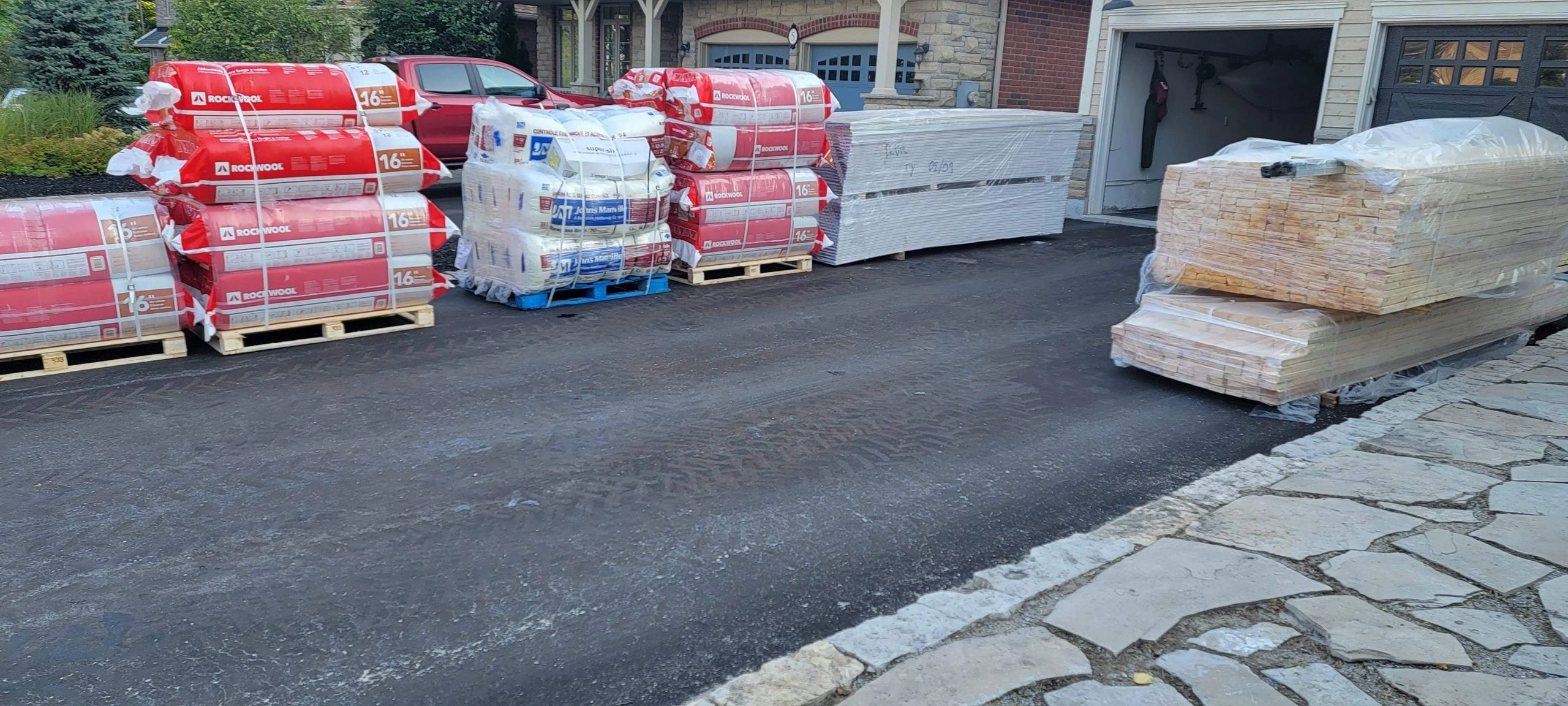
The biggest differences between steel studs and wood studs when framing are:
- Durability & Strength
Steel Studs: Resistant to rot, mold, termites, and fire. They don’t warp, shrink, or crack over time.
Wood Studs: Stronger in load-bearing applications but susceptible to moisture, termites, and warping.
- Cost & Availability
Steel Studs: Often more expensive upfront but prices are stable. Long-term savings due to durability.
Wood Studs: Usually cheaper initially, but prices fluctuate depending on supply and demand.
- Ease of Installation
Steel Studs: Require specialized tools (self-tapping screws, tin snips, or a metal saw). Lighter and easier to transport.
Wood Studs: Easier to cut and install using common tools (saws, nails, screws). Heavier to handle.
- Fire & Moisture Resistance
Steel Studs: Fire-resistant and do not absorb moisture, making them ideal for high-humidity areas.
Wood Studs: Can burn in a fire and absorb moisture, leading to mold and rot.
- Structural Applications
Steel Studs: Mostly used in non-load-bearing interior walls (commercial buildings, basements). Load-bearing steel framing requires thicker gauge metal.
Wood Studs: Commonly used for load-bearing walls in residential construction.
- Environmental Impact