

Insulation, fire & electrical
The difference between Type X drywall and Type C drywall
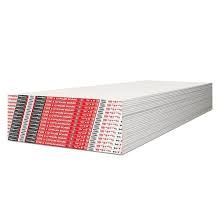
Both Type X and Type C drywall are fire-resistant gypsum boards, but Type C is engineered to provide enhanced performance in certain tested fire-rated assemblies.
Type X drywall: Commonly 5/8" thick and contains additives, including glass fibers, that help the gypsum core maintain its integrity longer during a fire. It's widely used in fire-rated wall and ceiling assemblies.
Type C drywall: An enhanced fire-resistant board. Its core contains additional additives designed to improve dimensional stability when exposed to high heat, helping it resist shrinkage and remain in place longer.
They're not automatically interchangeable: A fire-resistance rating applies to the entire tested assembly—drywall type and layers, framing, insulation, fasteners, spacing, resilient channel, and other details all matter.
For Ontario construction: Don't assume Type C can replace Type X, or vice versa, simply because one has better fire performance. Use the gypsum board specified by the approved/tested assembly you're constructing.
Simple way to remember it: Type X = fire-resistant drywall. Type C = enhanced fire-resistant drywall designed for higher performance in specific assemblies.
If you're asking specifically about an Ontario legal basement/secondary suite ceiling, I can explain when you'd use Type X versus Type C and how it relates to the required fire separation.