

Insulation, fire & electrical
The main difference between metal and plastic electrical boxes
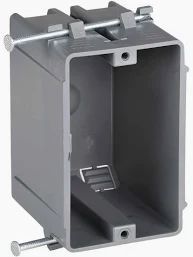
Feature Metal Electrical Boxes Plastic Electrical Boxes Material Steel or aluminum PVC or fiberglass Grounding Must be grounded because metal conducts electricity No grounding needed since plastic is non-conductive Durability Stronger and more resistant to impact Can crack or break if overtightened or hit Cost Usually more expensive Usually cheaper Ease of Installation Harder to cut and install Lighter and easier to work with Cable Compatibility Best with metal conduit or armored cable (BX/MC)Best with non-metallic cable (Romex/NM)Fire Resistance Better fire resistance Lower heat tolerance (but still code-approved)
When to Use Metal Boxes
With metal conduit systems
In commercial buildings
Where extra strength or protection is needed
When using armored cable (MC/BX)
When to Use Plastic Boxes
In most modern residential wiring
With NM (Romex) cable
When you want faster, easier installation
Simple Rule of Thumb
Metal conduit → Metal box
Romex (NM cable) → Plastic box
✔ Both types are code-approved when used correctly.
If you want, I can also explain:
Why electricians sometimes still prefer metal boxes
When plastic boxes are not allowed by code
Common mistakes people make when choosing boxes.