

Insulation, fire & electrical
Why a Properly Installed Vapor Barrier Is Important in Ontario.
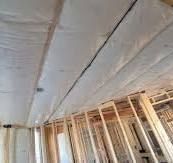
Ontario's climate brings cold winters, warm summers, and significant temperature swings throughout the year. These changing conditions make moisture control one of the most important aspects of a well-built home. That's where a properly installed vapor barrier plays a critical role.
What Is a Vapor Barrier?
A vapor barrier is a material, typically 6-mil polyethylene, installed on the warm side of insulated exterior walls and ceilings in many Ontario homes. Its purpose is to reduce the movement of water vapor from the inside of your home into the wall and ceiling cavities.
Why Is It So Important?
Prevents Moisture Damage
Warm indoor air naturally contains moisture. During Ontario's cold winters, that moisture can move into exterior walls and condense when it reaches colder surfaces. Over time, this can lead to wood rot, damaged insulation, and costly structural repairs.
Helps Prevent Mold Growth
Excess moisture trapped inside wall cavities creates the perfect environment for mold. A properly sealed vapor barrier helps keep moisture where it belongs, reducing the risk of mold and improving indoor air quality.
Improves Energy Efficiency
Insulation performs best when it stays dry. Wet insulation loses much of its insulating value, making your heating and cooling systems work harder. A properly installed vapor barrier helps protect your insulation, improving your home's energy efficiency and comfort.
Protects Your Investment
Your home is one of your largest investments. Taking the time to properly install and seal a vapor barrier helps extend the life of your walls, insulation, and framing while reducing the likelihood of expensive repairs in the future.
Proper Installation Matters
Simply hanging plastic behind drywall isn't enough. To be effective, a vapor barrier should be installed as a continuous system. Seams should overlap and be sealed with approved tape, penetrations around plumbing and electrical should be properly sealed, and the barrier should remain as uninterrupted as possible. Even small gaps can allow moisture-laden air to enter the wall assembly.
Ontario Building Code Requirements
In many residential wall assemblies, the Ontario Building Code requires a vapor barrier on the warm side of insulated exterior walls. The exact requirements depend on the wall assembly and construction method, so it's important to follow the applicable code and manufacturer's installation instructions.
Final Thoughts
A properly installed vapor barrier is a simple but essential part of protecting your home from moisture damage. It helps prevent condensation, mold, and deterioration while improving energy efficiency and preserving the performance of your insulation.
If you're renovating or finishing a basement in Ontario, don't overlook the importance of moisture control. Investing in a properly installed vapor barrier today can help prevent expensive problems tomorrow.