Floors, stairs & finishes
Wood vs vinyl Stair cladding.
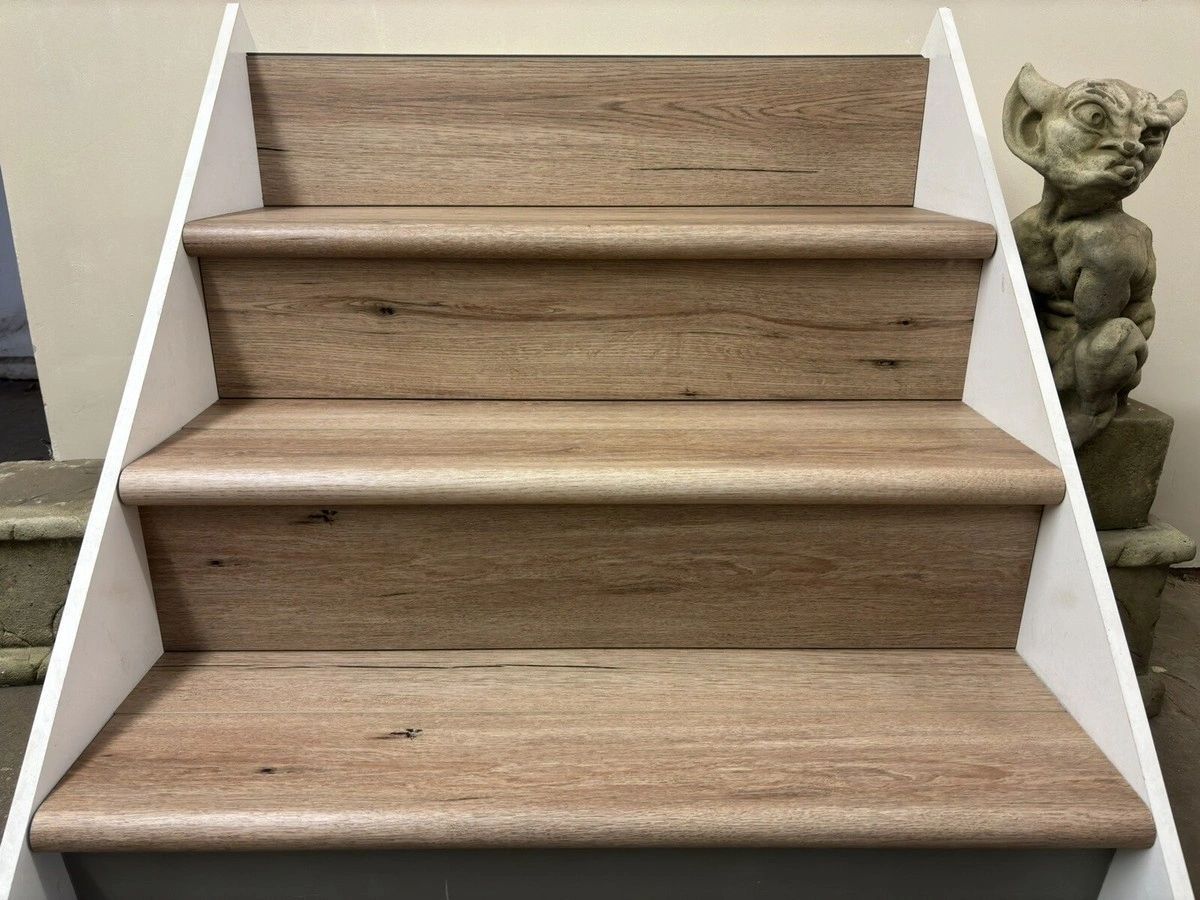
1. Appearance 🎨
Wood
Natural grain and warm look
Can be stained in many colors
Higher-end appearance
Matches hardwood floors perfectly
Vinyl
Manufactured look (though modern vinyl can imitate wood well)
Limited realism compared with real wood
Consistent color and texture
✅ Winner: Wood (more premium and natural)
2. Durability 🛠️
Wood
Strong and solid
Can scratch or dent
Can be refinished multiple times
Vinyl
Highly resistant to scratches
Waterproof
Edges or nosing can wear over time
Cannot be refinished
✅ Winner: Vinyl for scratch resistance, wood for long-term life
3. Maintenance 🧽
Wood
Needs occasional refinishing
Sensitive to moisture
Requires careful cleaning
Vinyl
Very low maintenance
Waterproof and easy to clean
✅ Winner: Vinyl
4. Installation 🔧
Wood
More complex installation
Usually requires cutting treads/risers
Often done by a professional
Vinyl
Often comes as stair caps or cladding
Faster installation
DIY-friendly options exist
✅ Winner: Vinyl
5. Cost 💰
(Typical North America estimates)
Wood stair cladding
- $60–$150+ per step installed depending on wood species
Vinyl stair cladding
- $30–$80 per step installed
✅ Winner: Vinyl (usually cheaper)
6. Longevity ⏳
Wood
- Can last 30–100 years with refinishing
Vinyl
- Typically 10–25 years
✅ Winner: Wood
✅ Quick recommendation
Choose wood if:
You have hardwood flooring
You want a premium look
Long-term durability matters
Choose vinyl if:
Budget is tight
You want low maintenance
The stairs get heavy use (kids/pets)
💡 Common compromise: Many homes use vinyl flooring upstairs but wood stair treads so the stairs still look high-end.
✅ If you want, tell me:
Your flooring type (vinyl plank, laminate, hardwood)
Whether the stairs are currently carpeted or plywood
…and I can recommend the best stair solution for your exact setup (this matters a lot).